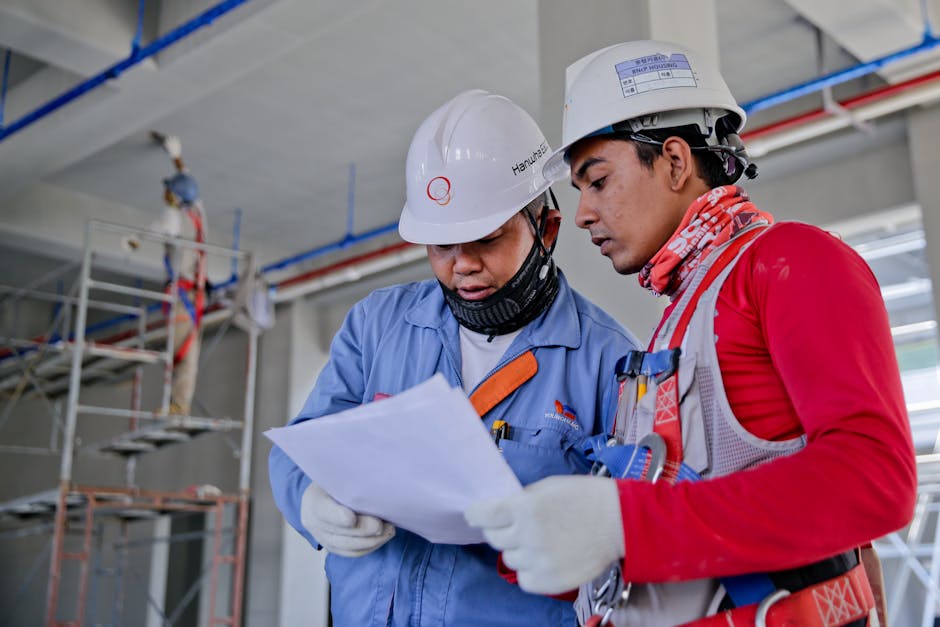
For utility crews, construction fleets, HVAC technicians, and field service teams, workwear is not just a uniform — it is personal protective equipment. High-visibility reflective tape on jackets, vests, and coveralls must meet ANSI/ISEA 107 retroreflective performance standards to provide legal protection. Wash those garments incorrectly and that certification becomes invalid — whether the label still says "compliant" or not.
How Reflective Tape Fails in Residential Machines
Retroreflective tape used on ANSI-certified hi-vis garments consists of a prismatic or glass-bead layer bonded to a backing material with heat-activated adhesive. Three common residential laundry problems degrade this bond rapidly:
- High-alkalinity detergents attack the adhesive layer over repeated washes, causing the tape edge to lift and peel.
- Hot water above 140°F can soften the heat-activated adhesive, causing tape to shift or bubble — particularly at seams where the tape flexes.
- High-RPM spin cycles combined with abrasion from other garments or drum agitators physically abrade the prismatic surface, reducing retroreflectivity below the certified threshold.
ANSI/ISEA 107-certified garments are rated for a specific number of wash cycles before recertification testing is needed — typically 25–50 cycles. Abusive domestic washing conditions can exhaust those cycles in half the expected time.
The Grease and Oil Problem
Petroleum-based grease, hydraulic fluid, and engine oil — the daily contaminants for most trade workers — require alkaline chemistry and elevated temperatures to remove effectively. Home detergents formulated for general clothing do not have the surfactant concentration needed to emulsify heavy industrial soiling. The result: grease that appears removed visually but remains embedded in synthetic fibers, affecting the garment's fire-resistant rating (if applicable) and contributing to fiber degradation over time.
Commercial laundry programs serving trade fleets use pre-soak protocols with industrial-grade degreasing chemistry, followed by controlled-temperature wash cycles that clean without exceeding the thermal thresholds that damage reflective bonding.
Extending Uniform Service Life
A properly maintained ANSI Class 2 vest costs $25–$60. A fleet of 15 field technicians replacing vests every 6 months due to improper laundering spends $750–$1,800 in garment costs annually — before factoring in the liability exposure of workers in degraded PPE that no longer meets the visual performance standard.
Professional laundering on a regular rotation typically triples the service life of reflective workwear. The math nearly always favors a contracted service.
For related guidance on protecting uniform investments across industries, see Extending the Life of Restaurant Linens and Staff Uniforms.
Equip your field staff with crisp, long-lasting uniforms. Request a custom B2B fleet uniform quote on our Contact page.